
Sleep & Recovery
What Seven Nights of Consistent Rest Revealed About Daily Energy Patterns
Adam Rahman · 10 February 2026
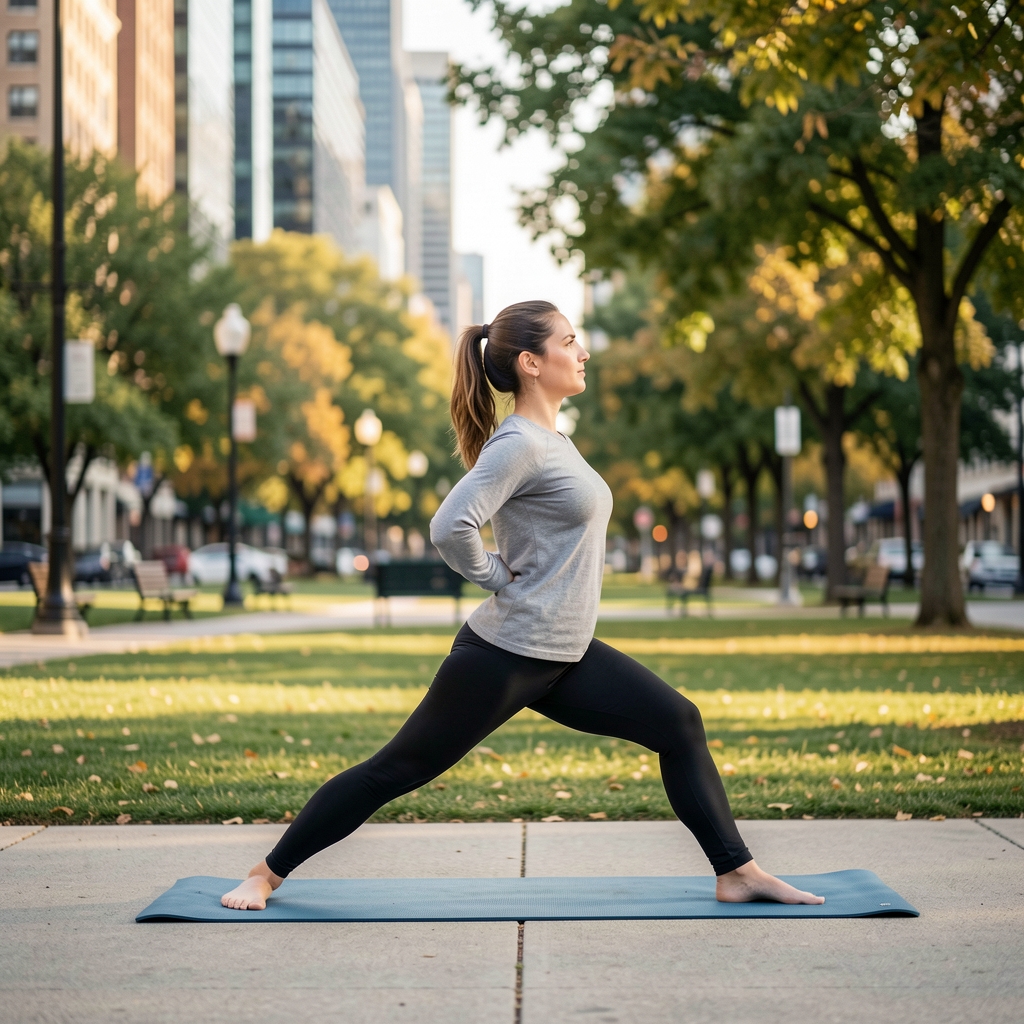
Kuala Lumpur, April 2026. The parks fill before 7:00. By 6:30 on a weekday morning in Taman Tasik Titiwangsa, the paths are already occupied: men of various ages walking in circles, running in pairs, performing bodyweight movements under the covered pavilions that line the lakeside. This is not a curated wellness scene. It is simply what happens here in the early hours — a habit so embedded that it requires no promotion, no app, and no community management.
This field record covers six weeks of morning visits to four movement locations across the Klang Valley: Taman Tasik Titiwangsa in central Kuala Lumpur, Bukit Kiara recreational park in Kuala Lumpur, the running track at Taman Jaya in Petaling Jaya, and the riverfront walkway at Shah Alam. Observations were made between 05:45 and 08:00 each morning, two to three times per week. Field notes were taken by hand. No participants were interviewed or followed — this is a record of public behaviour in public space.
The editorial question was straightforward: what do active men in the Klang Valley actually do for movement in the morning, and what patterns emerge when you watch over time rather than ask?
Asking produces aspirational answers. Watching produces patterns. This is why the Bravoten editorial team chose observation over interview for this particular piece.
Across all four locations and the full six-week period, five movement patterns appeared with enough consistency to document.
The first and most prevalent was walking. Not power walking or timed laps — simply walking, often at a pace that allowed for sustained conversation or, more frequently, sustained silence. The men walking in the parks were typically over 40, but not exclusively. Several participants in their late twenties were observed walking the same circuits daily, phones away, at an unhurried pace. Published wellness research notes that walking of twenty to thirty minutes duration is associated with energy and alertness habits in daily practice — a fact that appears to require no formal knowledge to act upon.
The second pattern was bodyweight movement under covered pavilions. Pull-up bars, parallel bars, and stretching frames are standard infrastructure at Malaysian public parks. The men using them were doing what might now be called calisthenics, though none of them used that word. They were doing chin-ups, dips, and floor stretches — the same movements repeated across weeks. The consistency was notable. The same men, in the same spots, on the same mornings. The habit had settled into routine so thoroughly that it required no visible decision-making.

Movement observation field notebook. Klang Valley, March–April 2026.
Running appeared at all four locations, though most prominently at the Taman Jaya track and along the riverfront in Shah Alam. What the field notes recorded most often was not the running itself — but the social structure around it. Men ran in pairs and small groups. The pace was consistent within each group, and the groups ran the same circuits in the same direction at the same time each morning. Social synchrony may be one of the more powerful, and most underexamined, engines of consistent movement habits.
Published wellness research on habit formation consistently identifies social context as one of the strongest predictors of long-term behavioural consistency. In the Klang Valley's morning parks, this mechanism appeared to operate naturally — no app, no notification, no scheduled class. The men simply arrived at the same time, and the group formed. The obligation was social and unspoken.
The editorial team noted this pattern without extrapolating a recommendation. It is recorded here because it appeared, repeatedly, across all four observation sites.
The fourth pattern was stretching — specifically, the post-movement stretch that appeared consistently after running or bodyweight work. Unlike the structured flexibility routines described in fitness media, these stretches were informal: standing quad stretches, seated hamstring holds, shoulder rotations. They lasted three to eight minutes and appeared to function as a natural conclusion to the morning's activity rather than a deliberate mobility routine.
The fifth pattern was the pause before leaving. At every location, the editorial team observed men who, at the end of their movement session, simply stood or sat — facing the water, the trees, or the early sky — for several minutes before walking to their cars or beginning the commute. No phones. No conversation. A stillness that appeared habitual rather than deliberate.
The editorial team did not ask these men what they were doing during this pause. The notebook records it as a pattern: the habit of moving ends, and before the day begins, there is a brief interval of non-activity. Whether this is rest, reflection, or simply the body's inertia cooling from movement — the notebook does not speculate.
The most significant observation across six weeks was not any particular movement practice — it was consistency itself. The men who appeared most regularly at the parks were not the most visibly athletic. They were not the ones running the fastest or doing the most pull-ups. They were the ones who arrived on the coldest mornings, the ones who were there after public holidays, the ones whose movement routines had apparently survived every possible disruption and continued anyway.
This is what the Bravoten editorial team means when it writes about the value of consistency over intensity. It is not a motivational claim. It is an observation drawn from six weeks of watching: the active men in the Klang Valley's parks are not those who push the hardest — they are those who return the most reliably.
This field record does not draw conclusions about what any individual should do with their mornings. It records what a group of men do — and notes that they do it again tomorrow.

Faiz Yusof is a contributing writer at Bravoten Notebook, focusing on movement observation, outdoor practices, and the everyday physical habits of active men across Malaysia. His field-based writing draws on direct observation rather than interview, favouring documented pattern over stated intention.
Read more from Bravoten Notebook →