
Sleep & Recovery
What Seven Nights of Consistent Rest Revealed About Daily Energy Patterns
Adam Rahman · 10 February 2026
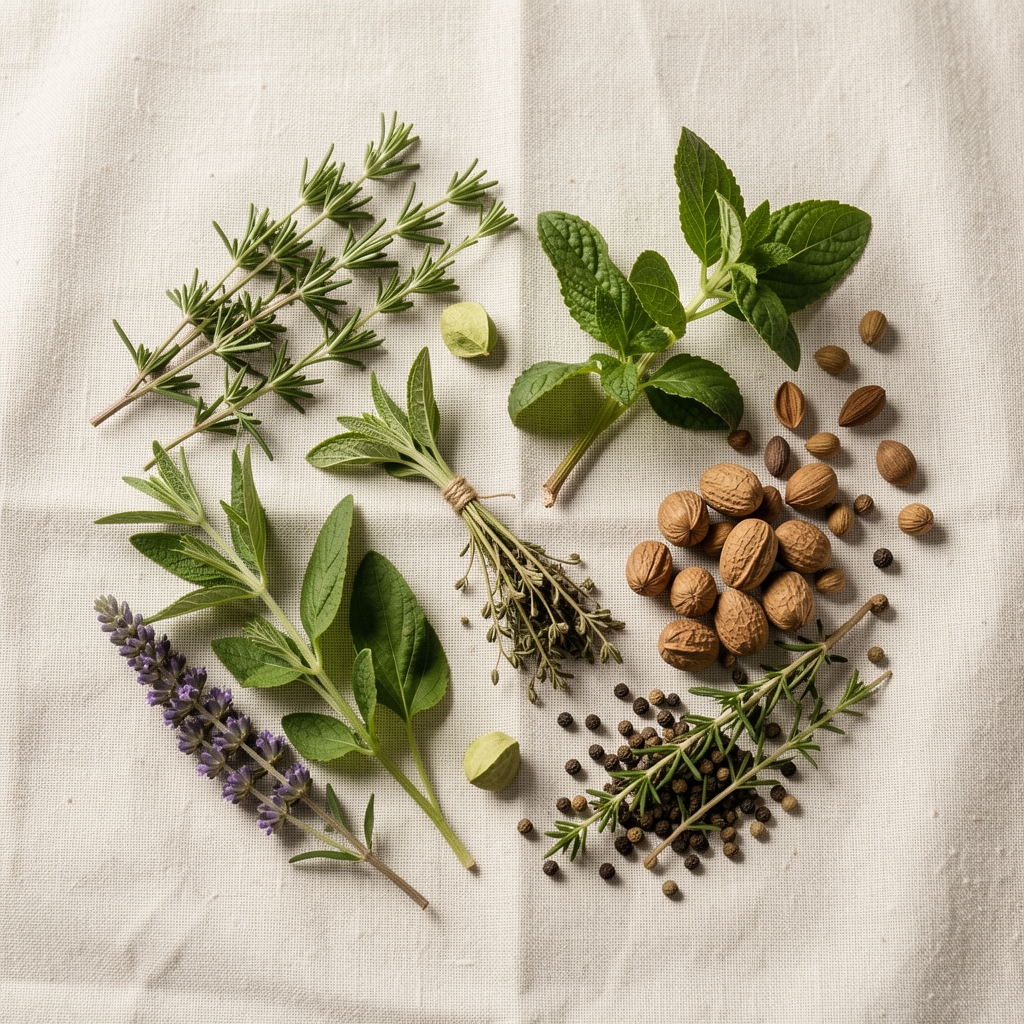
Malaysia has an unusually rich tradition of whole food nutrition — one that predates modern nutritional science by centuries. For active men living and working in Kuala Lumpur, this tradition is often present in the background of daily eating: in the ulam served alongside a weekday lunch, in the kunyit stirred into an evening meal, in the seeds and legumes that appear in breakfasts across the Klang Valley. This editorial review observes what these ingredients are, where they appear, and what published wellness literature notes about their nutritional role in everyday practice.
The men observed for this piece were not following structured eating plans. They were simply eating in the way that working adults in Kuala Lumpur eat — a mix of home-cooked meals, office canteen lunches, hawker centre dinners, and occasional weekend cooking. What the editorial team noticed, across conversations and field notes gathered over six weeks, was the consistent presence of specific ingredients that aligned with what traditional Malaysian wellness culture has long regarded as nutritionally significant.
This is not a dietary review. None of the men were advised to change their eating habits. The editorial team documented what was already present — and then examined published nutritional research to understand what role these ingredients are understood to play.
The findings are observational. They are offered here as context for active men who encounter these ingredients daily and may not have considered their nutritional significance. Nothing in this piece constitutes professional nutritional guidance. Readers with specific health considerations are encouraged to speak with a qualified health professional before making changes to their daily eating routines.
Ulam — the collective term for raw or briefly blanched herbs and greens eaten alongside cooked rice — appeared in the daily eating of most participants. Pegaga (Centella asiatica), daun kaduk, and pucuk paku were the varieties most commonly mentioned. These are not supplementary garnishes in Malaysian eating culture. They are the plate itself, set alongside protein and rice as equal components of a meal.
Published nutritional research notes that Centella asiatica contains compounds associated with antioxidant activity and has been studied in the context of cognitive function and energy awareness in wellness literature. Daun kaduk — a broad-leafed herb common in Peranakan cooking — contributes dietary fibre and trace minerals to a meal. Pucuk paku, or fiddlehead fern, is a source of beta-carotene and is considered a nutritionally varied green by Malaysian nutritional researchers.
What struck the editorial team was not the individual nutritional profile of these greens — but the regularity of their appearance. Participants who reported eating ulam daily were also the participants who described the most stable daytime energy patterns. This is a correlation, not a conclusion. The editorial team records it here without establishing cause.
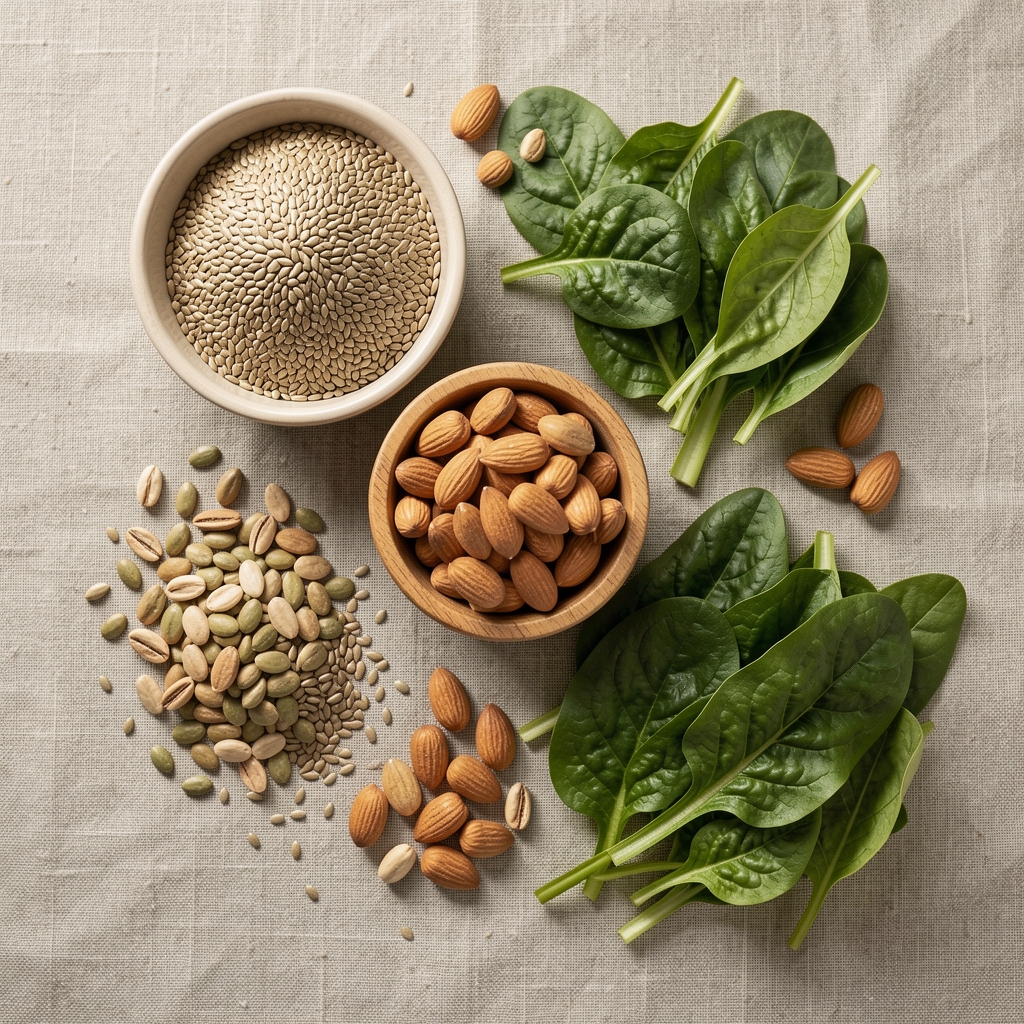
Observed ingredients from participant meal records. Kuala Lumpur, March 2026.
Turmeric — kunyit in Malay — is perhaps the most studied ingredient in Southeast Asian botanical wellness literature. The compound curcumin, found in turmeric root, has been the subject of extensive nutritional research, particularly in the context of antioxidant capacity and its association with muscle recovery awareness after physical activity.
For active men in Malaysia, turmeric is not a supplement — it is a cooking ingredient. It appears in rice dishes, curries, soups, and drinks. The men observed for this piece were not taking curcumin capsules. They were eating rendang. They were drinking teh kunyit. The nutritional contribution arrived through ordinary cooking, not through deliberate supplementation.
Published wellness research has noted that curcumin's absorption is enhanced by the presence of fat and by the compound piperine, found in black pepper. Traditional Malaysian cooking — which typically pairs turmeric with coconut milk and an array of spices including pepper — achieves this pairing naturally. This alignment between traditional practice and nutritional research is one of the more interesting observations in this review.
Zinc is associated with nutritional variety and contributes to normal protein synthesis — relevant for men who exercise regularly and whose bodies require consistent protein turnover. In Malaysian eating, zinc-contributing foods are not difficult to find: oysters and shellfish are present in hawker food culture, pumpkin seeds appear in snacking habits, and red meat is common in weekend meals. Legumes — kacang hijau (mung beans), kacang merah (red beans) — appear regularly in desserts and side dishes.
Participants who reported regular strength-based exercise routines tended to describe eating habits that included red meat two to three times per week, often through simple preparations: grilled chicken, stir-fried beef, or fish cooked with spice. The pairing of protein-rich foods with zinc-contributing legumes and greens appeared to be a natural outcome of Malaysian cooking culture rather than a deliberate nutritional strategy.
This is one of the more instructive observations of this review: the nutritional density of everyday Malaysian eating may already serve active men well, not because it has been optimised, but because the traditional food culture from which it emerged was shaped by centuries of practical nutrition awareness.
Active men in Malaysia contend with a climate that demands attentive hydration. Temperatures in Kuala Lumpur regularly exceed 32°C, and humidity sits above 80% for much of the year. Sweat rates during outdoor activity are higher than in temperate climates, and the replenishment of electrolytes becomes a practical consideration for anyone who exercises outdoors.
Coconut water — air kelapa — is a traditional hydration source across Southeast Asia. Published wellness research notes that it contains potassium, magnesium, and naturally occurring electrolytes that contribute to hydration awareness after physical activity. It is not marketed as a performance drink in Malaysian culture; it is simply sold from carts and small stalls at the edge of parks and sports courts.
Several participants mentioned consuming coconut water after outdoor activity without framing it as a nutritional choice. "It's just what you drink after running," said one. The editorial team noted this as an example of traditional wellness practice functioning as an unremarked default — the cultural knowledge embedded in ordinary behaviour, visible only when you look for it.
Bravoten Notebook references traditional Malaysian wellness practices as observed phenomena, not as endorsed routines. Traditional botanical knowledge is a meaningful lens through which to understand everyday food culture — but it is not a substitute for independent nutritional research, and it should not be applied without consideration of individual variation.
This review has noted several points of alignment between traditional Malaysian ingredients and the findings of published wellness research. These alignments are worth recording. They are not recommendations. The editorial team presents them as observations — as the kind of detail that belongs in a notebook, to be considered alongside other information, and returned to with questions.

Adam Rahman is the lead editor of Bravoten Notebook, covering men's energy habits, rest quality, and everyday wellness observations across Malaysia. His writing draws on published wellness research and field-based documentation of daily practices among active men in the Klang Valley.
More from Adam Rahman →